Joint replacement surgery is a significant decision, and selecting the right surgeon is an important part of preparing for a successful outcome. Whether you are considering hip, knee, or shoulder replacement, understanding what to look for can help you feel more informed and confident throughout your treatment journey.
Below is a practical, patient-focused guide to help you navigate this process thoughtfully and safely.
1. Look for a surgeon with formal training in joint replacement
Orthopaedic surgeons complete many years of specialised training, but additional fellowship training in joint replacement or subspecialty areas can be beneficial. This training helps surgeons develop experience in managing complex cases, understanding implant options, and tailoring treatment to each patient’s anatomy.
When researching surgeons, you may wish to review:
- Their subspecialty training or fellowships
- Experience with the specific joint you need treated (hip, knee, or shoulder)
- Whether they regularly perform joint replacement procedures
This information is often available on a surgeon’s website or can be discussed during your consultation.
2. Consider their approach to modern surgical techniques
Many orthopaedic surgeons use contemporary tools and techniques to support accuracy and consistency during joint replacement surgery. These may include:
- Computer navigation
- Robotic-assisted techniques
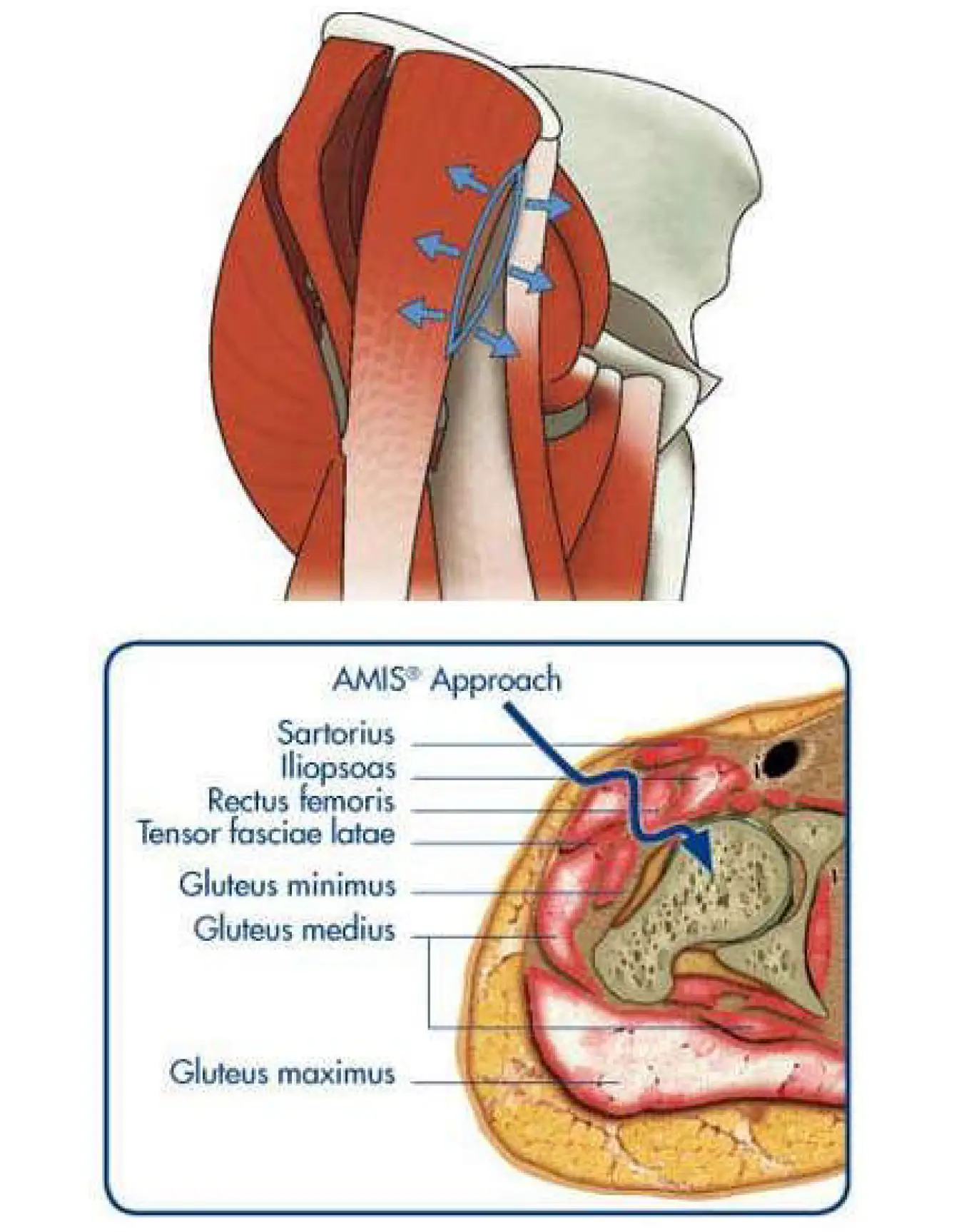
- Minimally invasive approaches
These technologies may help guide implant positioning and surgical planning, particularly when combined with detailed pre-operative imaging. While they are not necessary for every patient, they can be a useful part of the conversation when discussing your individual surgical plan.
Dr George Awwad is experienced in a range of modern approaches and will discuss with you whether these options are suitable based on your anatomy, health, and goals.
3. Look for clear communication and patient-centred care
A good surgeon will take the time to:
- Explain your diagnosis
- Discuss the full range of treatment options
- Outline expected recovery stages
- Answer your questions in a clear and supportive way
It is important that you feel comfortable asking questions and that you fully understand the information provided. This helps ensure that your decision is well-informed and aligned with your needs.
4. Ask about pre-operative planning and assessment
Thorough planning is an essential part of joint replacement surgery. This may include:
- X-rays or advanced imaging such as CT scans
- Assessment of bone alignment and joint wear
- Review of medical history, medications, and overall health
- Prehabilitation physiotherapy to support recovery
Understanding the planning process can help you appreciate how your surgeon tailors the procedure to your individual circumstances.
5. Understand the hospital setting and aftercare plan
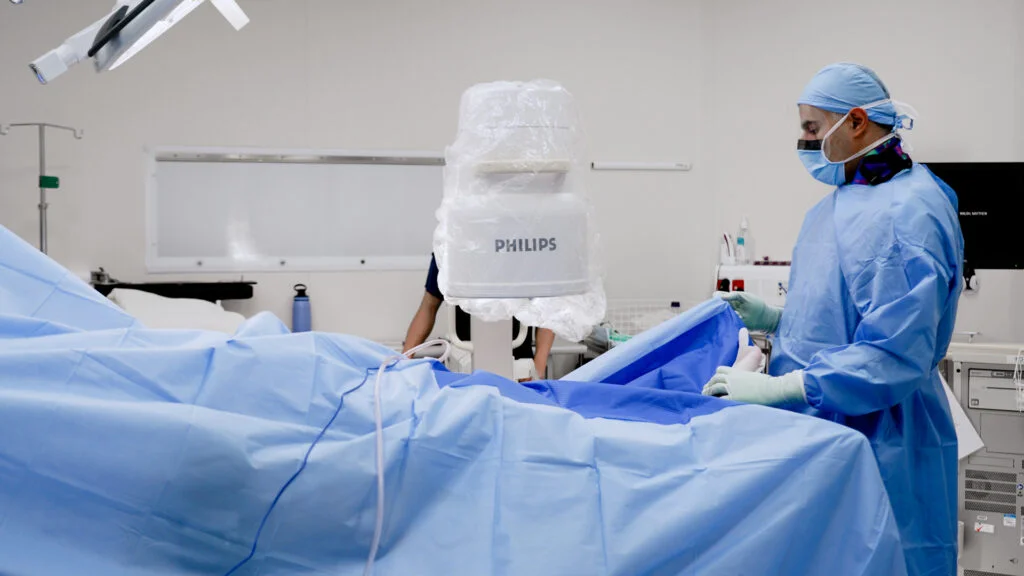
Joint replacement surgery is performed in accredited hospitals with experienced orthopaedic, anaesthetic, and nursing teams. Ask about:
- Where your surgery will be performed
- The length of your hospital stay
- Early mobilisation after surgery
- Physiotherapy and follow-up appointments
- How post-operative concerns are managed
A well-structured aftercare plan is important for recovery and long-term joint function.
6. Ensure information is balanced, factual, and realistic
AHPRA requires that information about medical procedures is balanced, evidence-based, and not misleading. This includes:
- Avoiding guarantees of outcomes
- Understanding both benefits and risks
- Discussing limitations of surgery
- Recognising that recovery varies between individuals
A surgeon who provides clear, realistic guidance helps you make an informed decision that prioritises your health and wellbeing.
7. Trust your rapport and instincts
Beyond qualifications and technical skill, it’s important to feel at ease with your surgeon. Trust, communication, and a supportive environment all contribute to a positive experience.
During your consultation with Dr Awwad, you will have the opportunity to ask questions, discuss your goals, and understand whether joint replacement surgery is suitable for you.