Direct Anterior Approach Total Hip Replacement
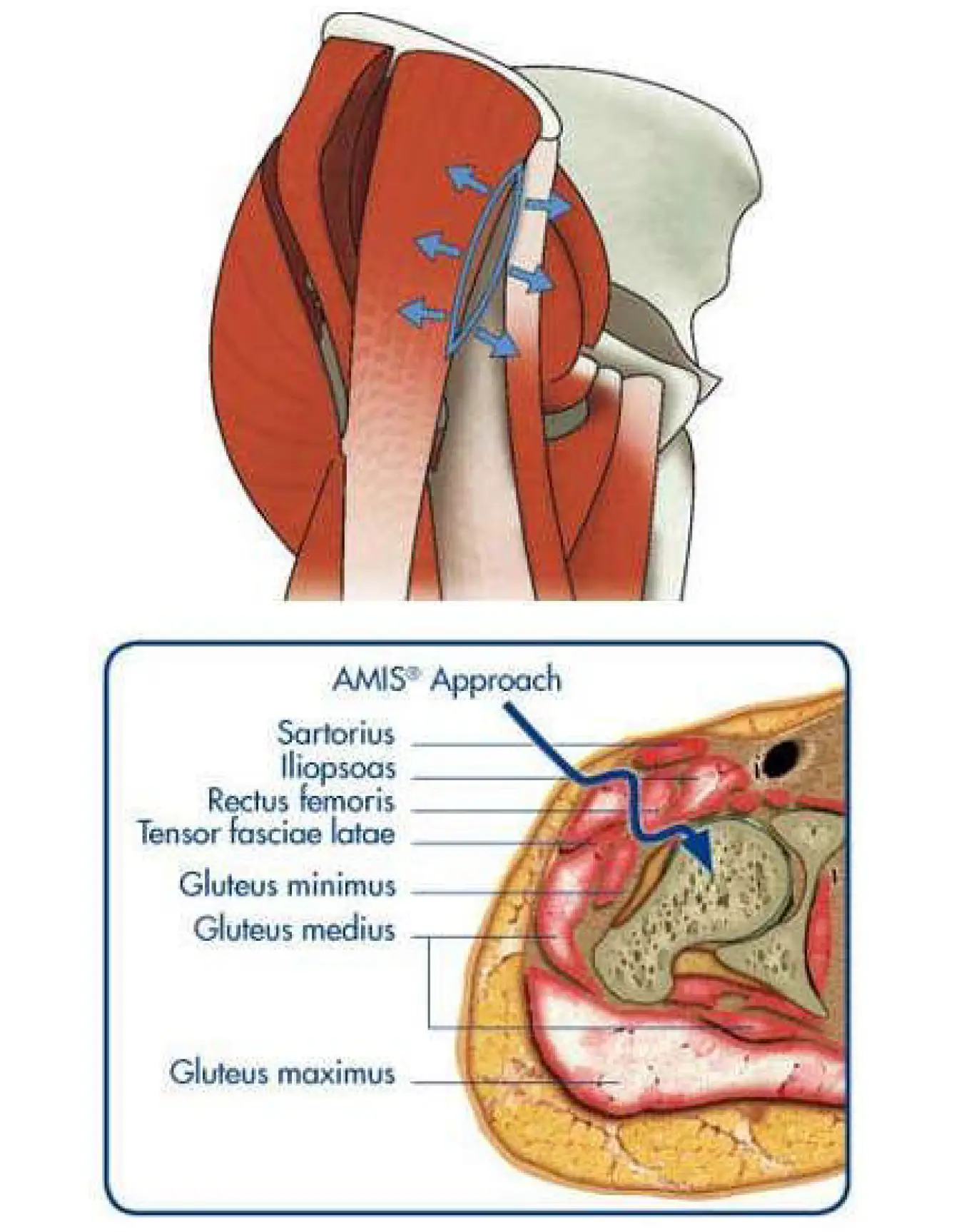
amisapproach

A muscle-sparing technique that may support faster recovery and improved mobility

Hip replacement surgery has transformed dramatically since its introduction in the 1960s. Early procedures were highly invasive, requiring large incisions and significant disruption to muscle and soft tissue to access the hip joint. While these techniques were often successful in relieving pain caused by arthritis or injury, they were associated with extended hospital stays, long recovery periods, and limited implant longevity.


Over time, advances in surgical technique, implant design, and peri-operative care have significantly improved the safety and effectiveness of hip replacement. The development of better prosthetic materials such as highly cross-linked polyethylene and modern ceramics has contributed to greater implant durability, with many joint replacements now lasting 20 years or more. Another major evolution has been in the way surgeons approach the hip joint. Traditional approaches, including the posterior and lateral methods, require cutting through muscles and tendons to reach the hip. While these remain widely used and effective in many cases, the desire to reduce tissue trauma and speed up recovery led to the emergence of minimally invasive techniques.

One of the most significant of these is the direct anterior approach, which uses a natural anatomical interval between muscle groups to access the joint. Unlike earlier so-called “minimally invasive” methods that only reduced the size of the skin incision but still involved cutting muscle, the anterior approach preserves key muscle structures. This has the potential to reduce pain, limit post-operative restrictions, and accelerate rehabilitation.

The evolution of hip replacement surgery continues to be supported by modern technologies such as pre-operative planning software, intraoperative imaging, robotic-assisted systems, and enhanced recovery protocols. These tools are helping surgeons like Dr George Awwad tailor each procedure to the individual patient, aiming for precise implant positioning, reduced complication risk, and more predictable outcomes.

Introduction to the Direct Anterior Approach

https://www.youtube.com/watch?v=Evb1cd7vUFA&embeds_referring_euri=https%3A%2F%2Fdrgeorgeawwad.com.au%2F&source_ve_path=Mjg2NjY

The direct anterior approach (DAA) is a modern surgical technique used in total hip replacement that allows Dr Awwad to reach the hip joint through a natural space between muscles, rather than cutting through them. This approach is sometimes referred to as muscle-sparing because the surrounding muscles and tendons are gently moved aside instead of being detached. By preserving soft tissues, patients may experience a smoother recovery and return to function compared to some traditional methods.

Over recent decades, hip replacement surgery has evolved considerably. While the operation has long been one of the most effective treatments for severe hip arthritis, improvements in surgical techniques, implant design, and imaging technology have made the procedure safer and more tailored to individual patients. Among these advances, the direct anterior approach has become increasingly popular because it combines proven outcomes of hip replacement with a less invasive pathway to the joint.

For many patients, the direct anterior approach can mean a smaller incision at the front of the hip, potentially reduced post-operative discomfort, and earlier mobility. Importantly, the technique is not suitable for everyone, and the decision about which surgical approach to use is made after a careful assessment of your hip condition, anatomy, lifestyle, and overall health.

Dr George Awwad offers hip replacement surgery using the direct anterior approach, supported by personalised surgical planning and detailed rehabilitation programs. During your consultation, he will discuss whether this approach is appropriate for you and provide tailored advice about your treatment and recovery.

Conventional approaches vs the anterior approach

Total hip replacement surgery can be performed using several different surgical approaches. While all are designed to relieve pain and restore mobility, they differ in how the surgeon accesses the hip joint and this can significantly impact muscle preservation, early mobility, and recovery.

Conventional approaches: posterior, lateral, and anterolateral

Lateral or Anterolateral Approach
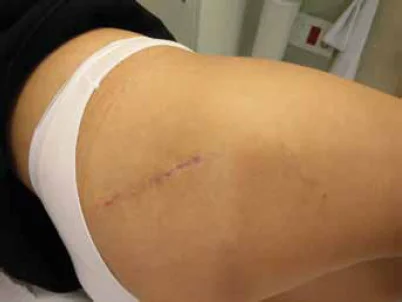
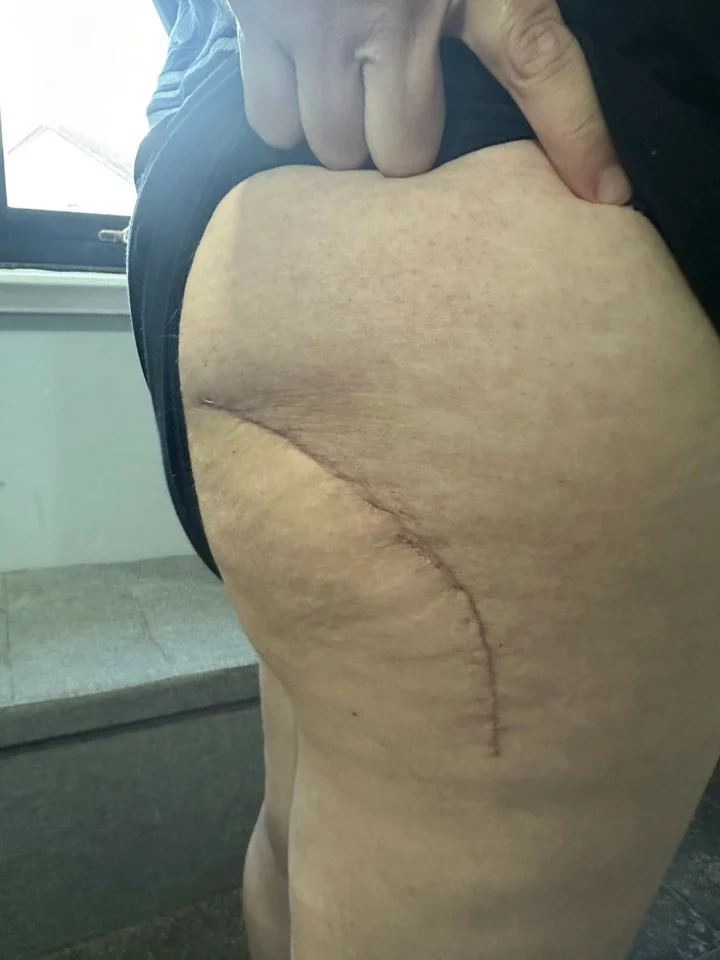
In the lateral or anterolateral approach, the incision is made at the side of the hip. This technique often involves cutting through part of the gluteus medius, one of the primary abductor muscles responsible for walking. Damage to this muscle can occasionally result in a postoperative limp or delayed return to full function. While both approaches are widely used and effective, they do involve cutting or detaching muscles and tendons to access the joint. This tissue trauma may contribute to pain, weakness, or delayed rehabilitation in the early postoperative period. anterolateral approach tha scar

Posterior Approach

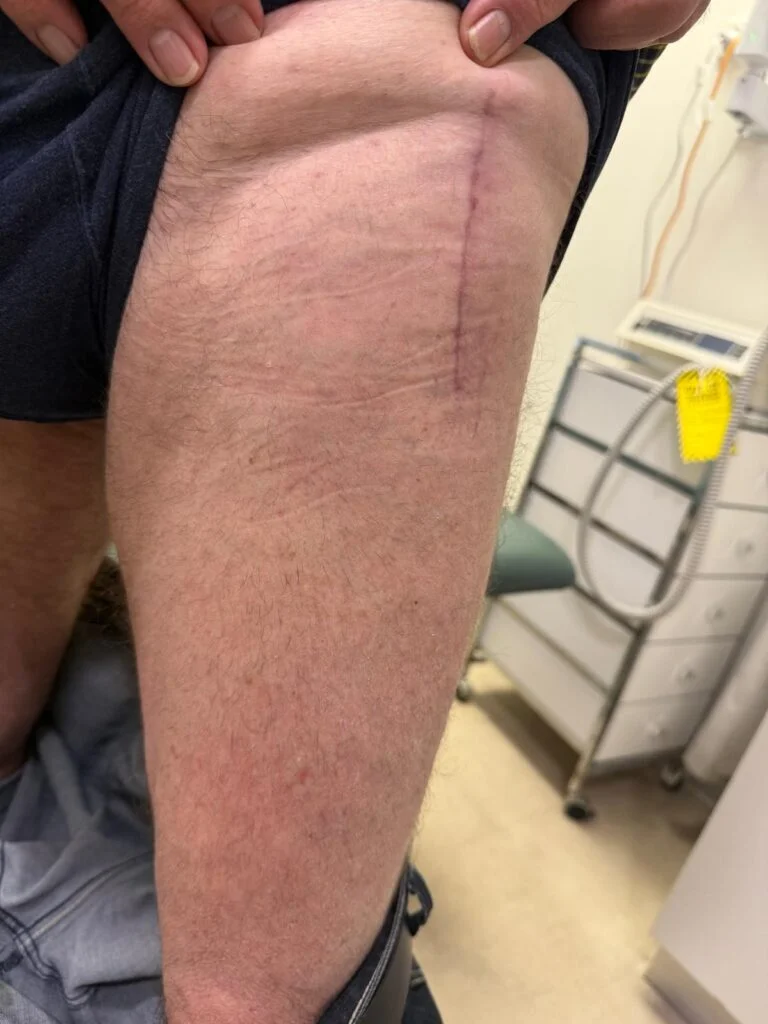
The posterior approach is one of the most commonly used techniques worldwide. It involves making an incision behind the hip while the patient lies on their side. To access the joint, the surgeon detaches the short external rotator muscles and splits the gluteus maximus muscle. While this approach provides excellent visibility of the joint, muscle detachment can result in a slightly longer recovery and a higher risk of dislocation in some patients. Dr Awwad uses the posterior approach selectively in patients requiring concurrent abductor tendon surgery or revision hip replacement surgery. posterior appraoch total hip replacement scar adelaide anterior approach total hip replacement scar adelaide

The Anterior Approach: a muscle-sparing alternative

The direct anterior approach (DAA/AMIS) offers a modern alternative that aims to reduce tissue trauma. Unlike the posterior or lateral approaches, the anterior approach accesses the hip joint by working between natural muscular planes at the front of the hip.

This means:


  • No muscles are cut to reach the hip joint

  • Key muscle groups such as the gluteus medius, gluteus maximus, and external rotators are preserved

  • Tendons and nerves are respected and retracted, not detached

This muscle-sparing technique is the foundation of AMIS® (Anterior Minimally Invasive Surgery), a method that may support a faster and less painful recovery compared to traditional techniques. Because muscles remain intact, many patients experience earlier return to walking, reduced need for postoperative precautions, and potentially a lower risk of hip dislocation.

Technologies that support the anterior approach
Advances in surgical technology have helped make the anterior approach more precise, reproducible, and accessible for patients. While the technique itself is muscle-sparing and offers a minimally invasive pathway to the hip joint, specialised tools and planning software play an important role in supporting surgical accuracy and patient-specific outcomes.


m1a4906 (2)

Specialised Anterior Approach Tables

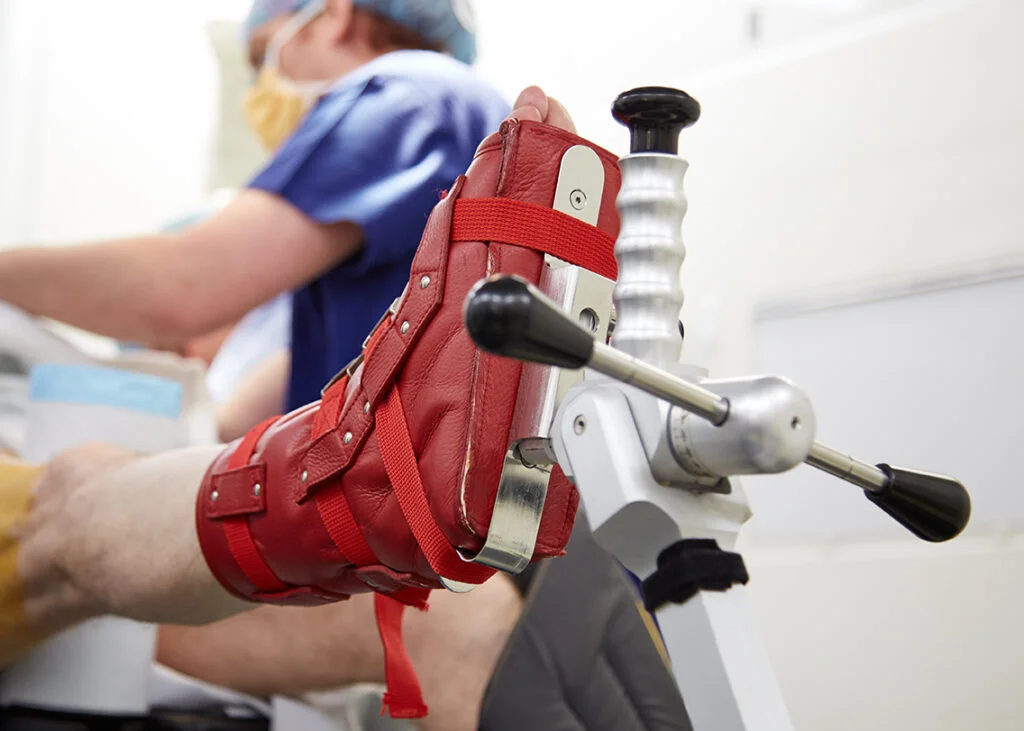
Operating tables specifically designed for anterior hip replacement such as the Hana® table enable precise patient positioning. These tables allow controlled leg manipulation during surgery, which helps Dr Awwad access the hip joint without cutting muscle. The table’s design also assists with implant placement and leg length equalisation.
fluroscopy and intraoporative imaging adelaide

Fluoroscopy and Intraoperative Imaging
Real-time imaging using fluoroscopy is commonly used during anterior approach procedures. This provides live feedback throughout surgery, allowing for careful visualisation of implant positioning, alignment, and leg length helping to reduce the risk of complications and revision surgery.
250716 drjasonhockings 2m9a1001 (1)

Patient-Specific Preoperative Planning
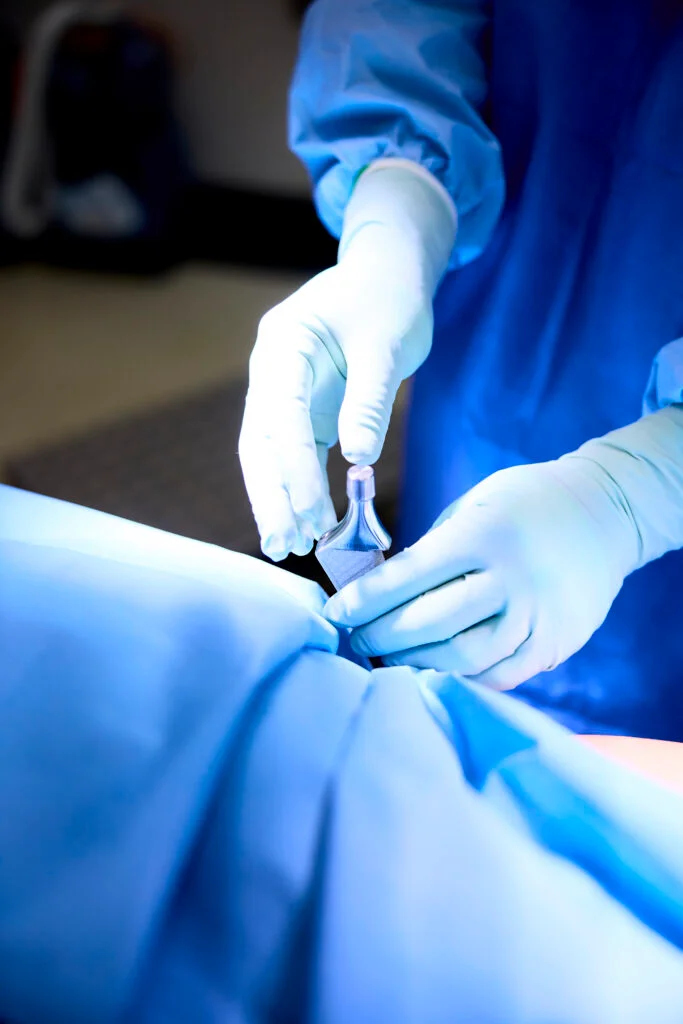
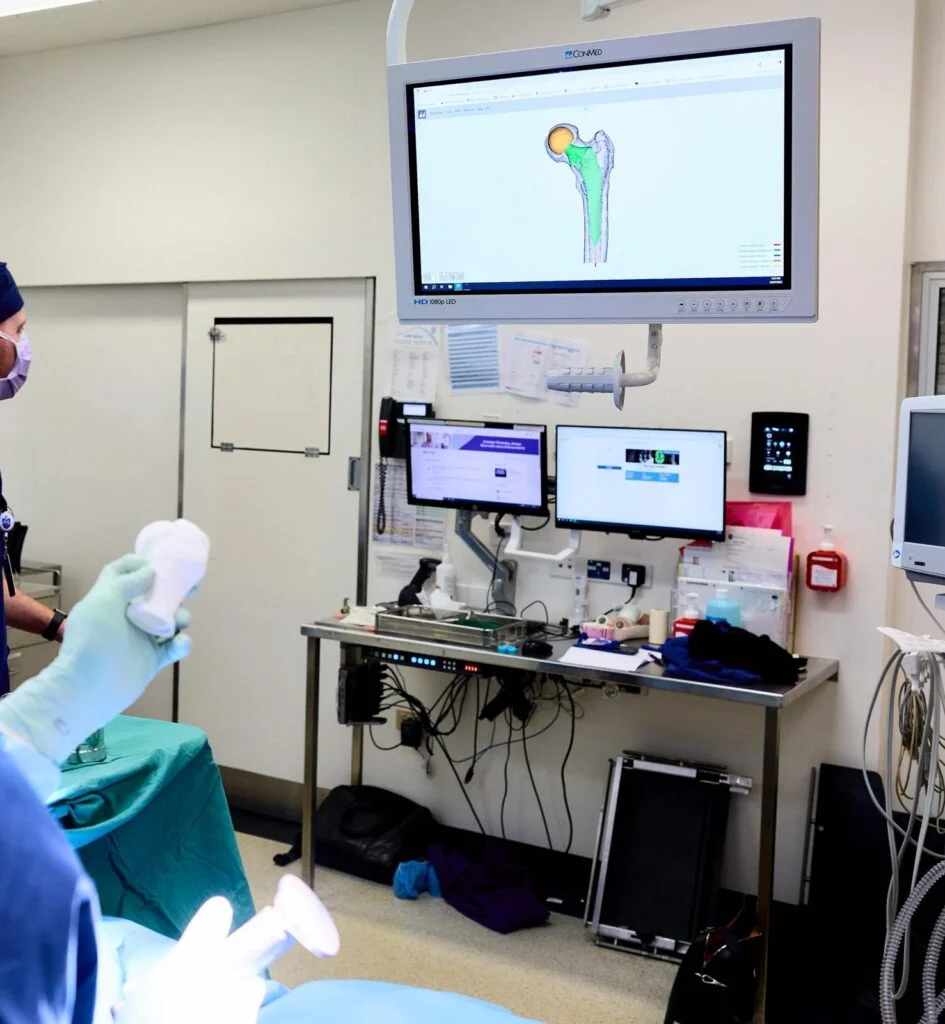
Advanced preoperative planning tools are now widely used to map out implant placement based on the individual patient’s anatomy. These technologies enable Dr Awwad to select the ideal implant size and orientation and simulate the procedure in advance to enhance precision during surgery.
250716 drjasonhockings 2m9a1066 (2)

Modern Prosthetic Implants

Today’s implants are designed to better mimic the natural function and biomechanics of the hip. Dr Awwad uses contemporary prosthetic designs that are well-suited to the anterior approach, including options that aim to reduce wear, increase stability, and accommodate the patient’s lifestyle and activity level.
250716 drjasonhockings 2m9a1014

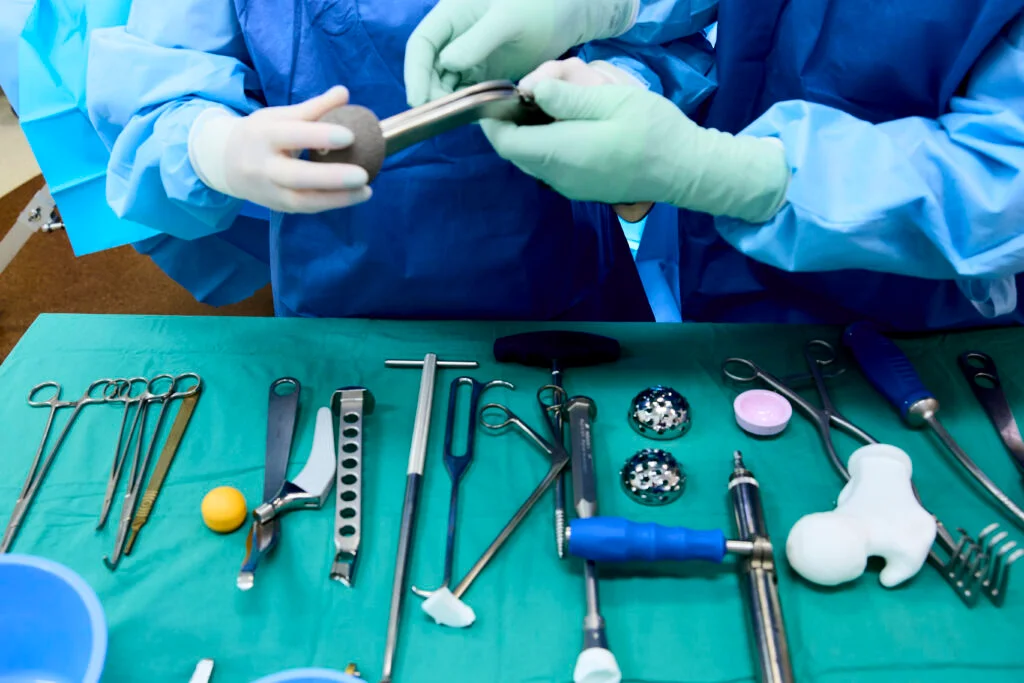
Minimally Invasive Instrumentation

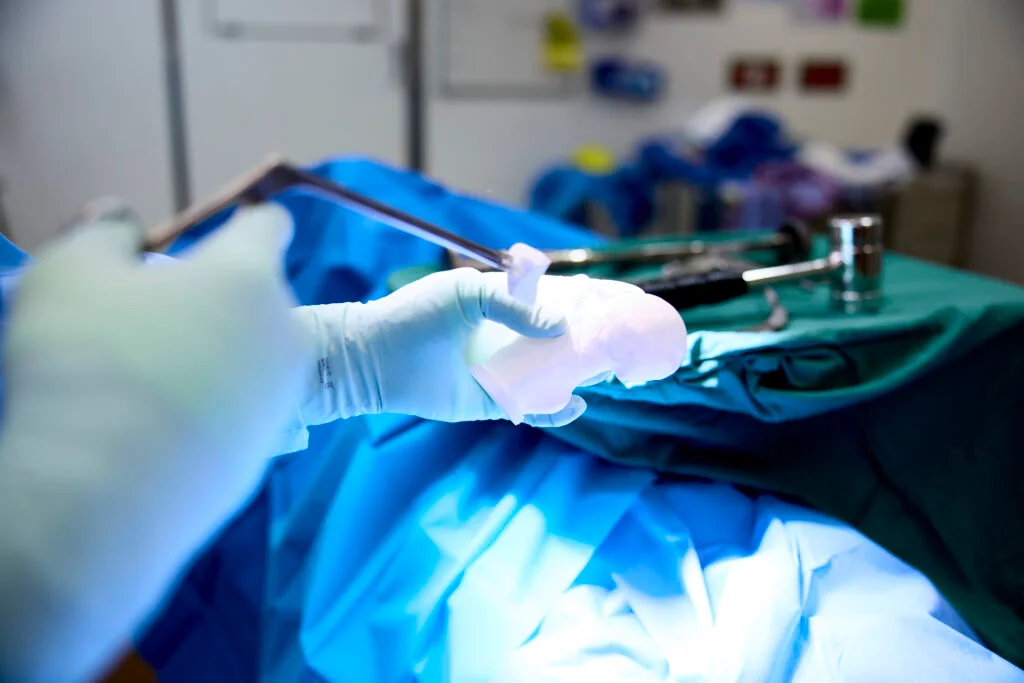
The anterior approach uses specially designed surgical instruments to work safely within a narrow, muscle-sparing corridor. These instruments allow Dr Awwad to perform the procedure through a smaller incision with minimal disruption to soft tissues.
250716 drjasonhockings 2m9a0837

Other Minimally Invasive Options

In addition to the anterior approach, other minimally invasive techniques have been developed, including:


  • Mini-posterior approach: A smaller version of the traditional posterior approach, which uses a shorter incision but still involves muscle detachment.

  • Two-incision technique: A rarely used method involving two small incisions, which may be associated with a steeper learning curve and higher complication risk.

  • Anterolateral approach: Performed with a smaller incision but may still involve splitting or detaching certain muscle groups.

While these techniques reduce the size of the skin incision, they may not always reduce internal soft tissue trauma to the same extent as the anterior approach. The term “minimally invasive” refers not only to skin incision length, but to how much underlying muscle, tendon, and nerve tissue is preserved during the procedure.
m1a4906 (2)

Specialised Anterior Approach Tables

Operating tables specifically designed for anterior hip replacement such as the Hana® table enable precise patient positioning. These tables allow controlled leg manipulation during surgery, which helps Dr Awwad access the hip joint without cutting muscle. The table’s design also assists with implant placement and leg length equalisation. fluroscopy and intraoporative imaging adelaide

Fluoroscopy and Intraoperative Imaging

Real-time imaging using fluoroscopy is commonly used during anterior approach procedures. This provides live feedback throughout surgery, allowing for careful visualisation of implant positioning, alignment, and leg length helping to reduce the risk of complications and revision surgery.
250716 drjasonhockings 2m9a1001 (1)

Patient-Specific Preoperative Planning

Advanced preoperative planning tools are now widely used to map out implant placement based on the individual patient’s anatomy. These technologies enable Dr Awwad to select the ideal implant size and orientation and simulate the procedure in advance to enhance precision during surgery. 250716 drjasonhockings 2m9a1066 (2)

Modern Prosthetic Implants

Today’s implants are designed to better mimic the natural function and biomechanics of the hip. Dr Awwad uses contemporary prosthetic designs that are well-suited to the anterior approach, including options that aim to reduce wear, increase stability, and accommodate the patient’s lifestyle and activity level.

250716 drjasonhockings 2m9a1014

Minimally Invasive Instrumentation

The anterior approach uses specially designed surgical instruments to work safely within a narrow, muscle-sparing corridor. These instruments allow Dr Awwad to perform the procedure through a smaller incision with minimal disruption to soft tissues. 250716 drjasonhockings 2m9a0837

Other Minimally Invasive Options

In addition to the anterior approach, other minimally invasive techniques have been developed, including:


  • Mini-posterior approach: A smaller version of the traditional posterior approach, which uses a shorter incision but still involves muscle detachment.

  • Two-incision technique: A rarely used method involving two small incisions, which may be associated with a steeper learning curve and higher complication risk.

  • Anterolateral approach: Performed with a smaller incision but may still involve splitting or detaching certain muscle groups.

While these techniques reduce the size of the skin incision, they may not always reduce internal soft tissue trauma to the same extent as the anterior approach. The term “minimally invasive” refers not only to skin incision length, but to how much underlying muscle, tendon, and nerve tissue is preserved during the procedure.

Why Dr Awwad Prefers the Anterior Approach

Dr George Awwad favours the anterior approach because it avoids cutting major muscles and tendons, uses a natural intermuscular plane, and allows for precise implant positioning under real-time imaging.

Who is a candidate for anterior approach hip replacement?

Not every patient is suited to every type of hip replacement surgery. The direct anterior approach (DAA), including the AMIS® technique, is a muscle-sparing option that may be recommended in select cases based on a patient’s anatomy, health, and personal goals. During your consultation, Dr George Awwad will assess whether this approach is suitable for your individual situation.

Potentially suitable candidates

Patients who may be well suited to the anterior approach include:


  • Those seeking faster functional recovery: The muscle-sparing nature of the anterior approach may support a shorter hospital stay, reduced post-operative pain, and quicker return to normal activities.

  • Patients with a healthy body mass index (BMI): Patients with a lower BMI often benefit more easily from the minimally invasive incision and positioning required in the anterior approach.

  • Younger or more active individuals: Patients who are motivated to return to an active lifestyle, including work or recreational activity, may appreciate the recovery profile of this approach.

  • First-time hip replacements: The anterior approach is generally used for primary (first-time) total hip replacements rather than revision procedures.

When it may not be recommended

There are certain situations where an anterior approach may not be appropriate, such as:


  • Complex or revision hip replacements

  • Significant obesity

  • Unusual bone anatomy

  • Previous incisions or surgeries that compromise the anterior soft tissues

In these situations, Dr Awwad may recommend an alternative approach to ensure the highest degree of safety and long-term function.

Every patient is different. Dr Awwad will conduct a thorough clinical assessment, review your imaging, and discuss your goals to determine whether the anterior approach is appropriate for you. If you are a suitable candidate, he will explain the surgical technique and expected recovery in detail, so you can make a confident and informed decision.

The surgical procedure: What to expect

Understanding what happens during your direct anterior approach total hip replacement can help ease concerns and prepare you for surgery and recovery.

Hospital admission and anaesthesia


On the day of your surgery, you’ll be admitted to hospital and taken to the operating theatre. The procedure is performed under spinal or general anaesthesia, depending on your medical needs and anaesthetic review.

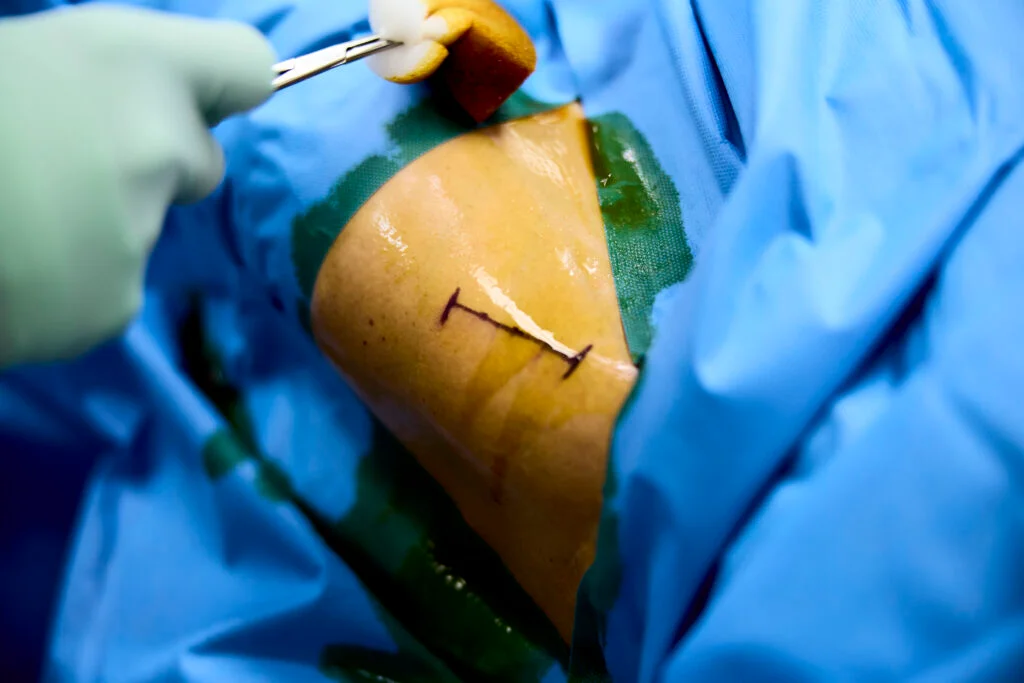
You will be positioned on your back on a specially designed orthopaedic table, which allows precise control of your leg during surgery. Dr Awwad makes a small incision (usually 8–10 cm) at the front of the hip, over the natural interval between muscle groups. This approach uses an inter-muscular and inter-nervous plane, meaning no muscles are cut, they are gently moved aside to access the hip joint.

Once the hip joint is exposed:


  • The damaged femoral head (ball of the hip joint) is removed.

  • The acetabulum (hip socket) is carefully cleaned and shaped to fit the implant.

  • A cup implant is inserted into the acetabulum, often with a polyethylene or ceramic liner.

  • The femoral canal is then prepared to receive the stem component, which is inserted into the thigh bone.

  • A femoral head is placed on the stem and fitted into the new socket.

Dr Awwad uses computer-assisted planning and surgical techniques to optimise implant positioning, leg length, and joint stability.

Once the components are securely in place and joint motion is confirmed:


  • The soft tissues are allowed to return to their original positions.

  • The incision is closed in layers using absorbable sutures.

  • A sterile dressing is applied, and the leg is positioned for recovery.

The surgery typically takes 60–90 minutes, although this can vary depending on your anatomy and surgical complexity.

You’ll be taken to the recovery ward for monitoring as the anaesthetic wears off. Most patients begin moving often with the assistance of physiotherapists on the same day or the following morning.

On the day of your surgery, you’ll be admitted to hospital and taken to the operating theatre. The procedure is performed under spinal or general anaesthesia, depending on your medical needs and anaesthetic review.You will be positioned on your back on a specially designed orthopaedic table, which allows precise control of your leg during surgery. Dr Awwad makes a small incision (usually 8–10 cm) at the front of the hip, over the natural interval between muscle groups. This approach uses an inter-muscular and inter-nervous plane, meaning no muscles are cut, they are gently moved aside to access the hip joint.Once the hip joint is exposed:


  • The damaged femoral head (ball of the hip joint) is removed.

  • The acetabulum (hip socket) is carefully cleaned and shaped to fit the implant.

  • A cup implant is inserted into the acetabulum, often with a polyethylene or ceramic liner.

  • The femoral canal is then prepared to receive the stem component, which is inserted into the thigh bone.

  • A femoral head is placed on the stem and fitted into the new socket.

Dr Awwad uses computer-assisted planning and surgical techniques to optimise implant positioning, leg length, and joint stability.Once the components are securely in place and joint motion is confirmed:


  • The soft tissues are allowed to return to their original positions.

  • The incision is closed in layers using absorbable sutures.

  • A sterile dressing is applied, and the leg is positioned for recovery.

The surgery typically takes 60–90 minutes, although this can vary depending on your anatomy and surgical complexity.You’ll be taken to the recovery ward for monitoring as the anaesthetic wears off. Most patients begin moving often with the assistance of physiotherapists on the same day or the following morning.Dr Awwad and the care team will guide your rehabilitation, including pain control, wound care, mobility, and discharge planning. Most patients can go home within 2–3 days, depending on progress and support at home.

Precautions after anterior approach hip surgery
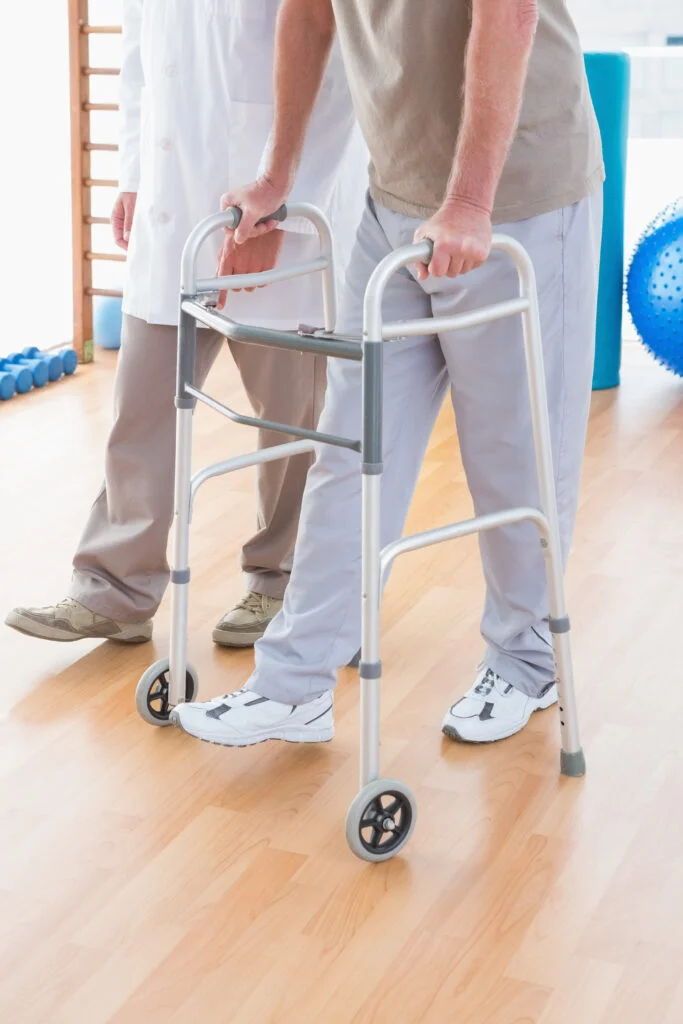
While the anterior approach is designed to minimise muscle and tendon damage, certain precautions are still necessary to support your recovery, reduce complications, and protect your new hip as it heals. senior man on zimmer frame with therapist in fitness studio

Fewer restrictions, but still take care

Compared to traditional posterior hip replacement surgery, anterior approach patients typically have fewer movement restrictions. Because the muscle groups around the hip are not cut, the risk of dislocation may be lower, and there is often no need to avoid flexing or rotating the hip in specific ways long-term. That said, it’s still important to follow your surgeon and physiotherapist’s instructions carefully in the early recovery period.

Safe movement after surgery

For the first few weeks:


  • Use walking aids (such as crutches or a walking frame) as advised

  • Avoid sudden twisting or pivoting on your operated leg

  • Take care when getting in and out of cars or bed

  • Avoid high-impact activities or uneven surfaces

Dr Awwad and your physiotherapy team will guide you through safe techniques for walking, climbing stairs, dressing, and other everyday activities.

Sitting and sleeping positions

You can typically sit more normally after anterior hip surgery, but:


  • Choose chairs with firm support and armrests

  • Avoid deep lounges or low sofas early on

  • Sleep on your back or non-operated side with a pillow between your knees (unless advised otherwise)

Wound care and hygiene

Proper care of the surgical wound is essential to reduce infection risk:


  • Keep the dressing clean and dry

  • Avoid soaking the wound (no baths or swimming) until cleared by your surgeon

  • Notify your care team if you notice redness, swelling, fluid leakage, or increased pain

When to resume activities

Dr Awwad will guide your return to normal activities based on your progress.In general:


  • Driving may be possible around 2–6 weeks after surgery (when walking confidently and no longer taking strong pain medications)

  • Work may be resumed within 2–6 weeks, depending on the physical demands of your job

  • Low-impact activities such as walking, swimming, and cycling are encouraged after your surgeon gives clearance

Exercises and physiotherapy after anterior approach THR
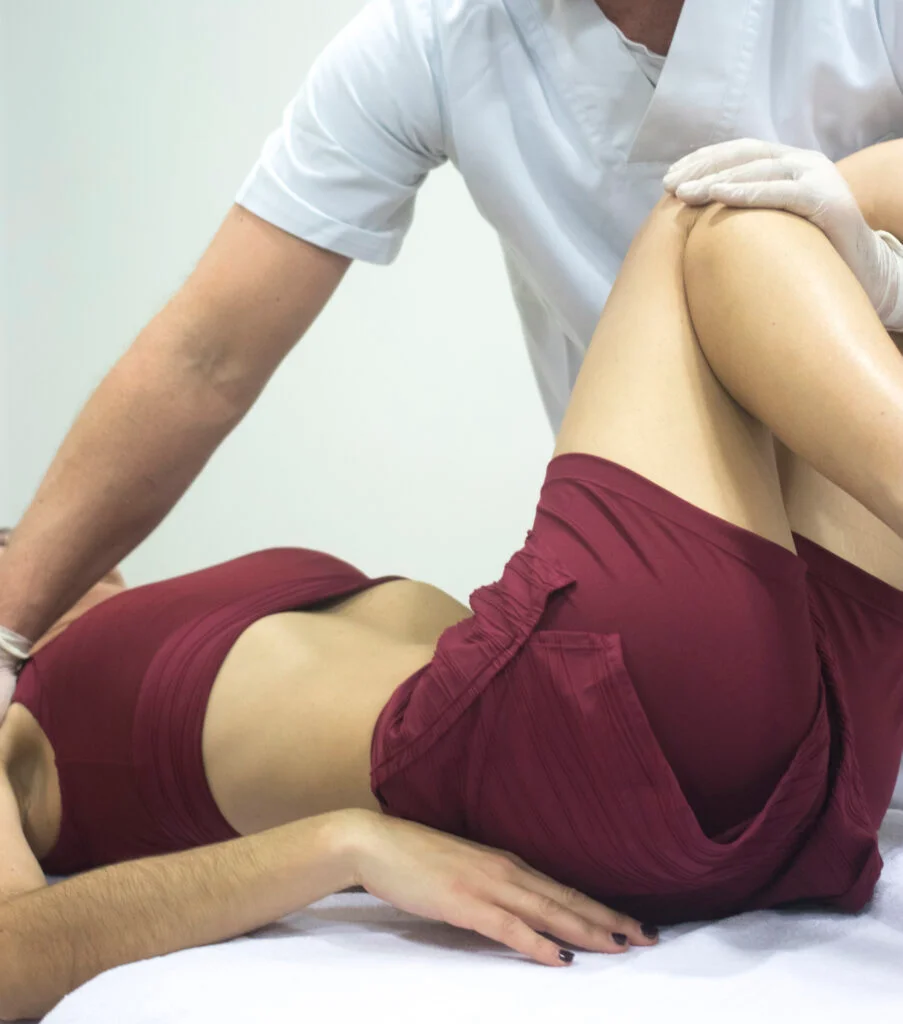
A structured physiotherapy and rehabilitation program plays an essential role in your recovery after anterior approach total hip replacement surgery. While this approach may reduce trauma to soft tissues and help support a faster return to activity, ongoing exercise is still important to rebuild strength, improve mobility, and promote long-term joint function. physiotherapy osteopathy physiotherapist

Early in-hospital rehabilitation

Within hours of surgery, you’ll be encouraged to start moving:


  • Day of surgery or next morning: You will usually stand with assistance and begin walking short distances using a frame or crutches.

  • Physiotherapist guidance: Hospital physiotherapists will teach you safe techniques for walking, getting out of bed, climbing stairs, and completing basic tasks.

Early mobilisation is a key part of enhanced recovery protocols and may help reduce the risk of complications such as blood clots or muscle deconditioning.

At-home exercises

Once home, your physiotherapist will usually prescribe a targeted exercise program tailored to your stage of recovery. Common early exercises include:


  • Ankle pumps and circles – to promote circulation

  • Gluteal squeezes – to activate hip muscles

  • Quadriceps contractions – to build thigh strength

  • Heel slides – to gently improve hip flexion

  • Hip abduction (side leg lifts) – if approved by your surgeon

These exercises are typically performed several times per day in short sets. It’s important to follow the advice of your physiotherapist and only progress when safe to do so.

Progressive strengthening and mobility

Over the following weeks, your program will evolve to include:


  • Weight-bearing and balance exercises

  • Resistance band training for hip and core muscles

  • Stationary cycling or low-impact cardio

  • Gait retraining to improve walking mechanics

Patients who undergo anterior approach surgery often reach these milestones more quickly due to the muscle-sparing nature of the procedure.

Returning to activity

With guidance from Dr Awwad and your physiotherapist:


  • Driving may resume once you can confidently control the vehicle (usually 2–4 weeks).

  • Work may be resumed within 2–6 weeks depending on your occupation.

  • Low-impact sports such as swimming, cycling, or golf may resume in 6–12 weeks.

  • High-impact activities such as running or contact sports are typically not advised.

Frequently asked questions about the anterior approach

Below are answers to some common questions patients have about anterior approach total hip replacement. Please remember that individual care can vary, and Dr George Awwad will provide personalised advice during your consultation based on your health, anatomy, and surgical goal

Is the anterior approach truly “minimally invasive”?


Yes, the anterior approach is considered minimally invasive because it uses a smaller incision and avoids cutting through major muscles. The surgical technique works between natural muscle planes, which may support quicker recovery, reduced pain, and earlier return to activity.

The incision is typically between 8 to 10 cm and may be smaller for patients with a slender build.

Unlike other approaches (posterior or lateral), the anterior approach works between muscle groups rather than through them. This muscle-sparing technique reduces trauma to the tissues and may help preserve strength and stability in the hip.

Yes, anterior approach hip replacement can be performed with the support of advanced navigation technologies. Dr Awwad uses modern planning software and intra-operative tools to help guide implant positioning and alignment.

Yes, the anterior approach is considered minimally invasive because it uses a smaller incision and avoids cutting through major muscles. The surgical technique works between natural muscle planes, which may support quicker recovery, reduced pain, and earlier return to activity.

The incision is typically between 8 to 10 cm and may be smaller for patients with a slender build.

Unlike other approaches (posterior or lateral), the anterior approach works between muscle groups rather than through them. This muscle-sparing technique reduces trauma to the tissues and may help preserve strength and stability in the hip.

Yes, anterior approach hip replacement can be performed with the support of advanced navigation technologies. Dr Awwad uses modern planning software and intra-operative tools to help guide implant positioning and alignment.

Dislocation risk is generally lower with the anterior approach compared to the posterior approach, due to preservation of key stabilising muscles. However, no approach is risk-free, and all patients receive guidance on precautions during recovery.

In most cases, revision hip surgery is performed using other approaches, such as the posterior or lateral approach. The anterior technique is more commonly used for primary hip replacements in suitable candidates.

Many patients experience faster early recovery and mobilisation. You may walk the same day as surgery, return home earlier, and progress through physiotherapy more quickly than with other approaches. However, long-term outcomes are comparable once fully healed.

The anterior approach is more technically demanding for the surgeon and may carry a slightly higher risk of nerve irritation near the front of the hip. Careful patient selection and surgical experience are important factors in achieving good outcomes.

Dislocation risk is generally lower with the anterior approach compared to the posterior approach, due to preservation of key stabilising muscles. However, no approach is risk-free, and all patients receive guidance on precautions during recovery.

In most cases, revision hip surgery is performed using other approaches, such as the posterior or lateral approach. The anterior technique is more commonly used for primary hip replacements in suitable candidates.

Many patients experience faster early recovery and mobilisation. You may walk the same day as surgery, return home earlier, and progress through physiotherapy more quickly than with other approaches. However, long-term outcomes are comparable once fully healed.

The anterior approach is more technically demanding for the surgeon and may carry a slightly higher risk of nerve irritation near the front of the hip. Careful patient selection and surgical experience are important factors in achieving good outcomes.

If you’re living with hip pain or stiffness that’s affecting your quality of life, a thorough assessment can help determine the cause and guide the right treatment path.
Book An Appointment